
Stock vs. Custom Cabinets: Which One is Right for You?
Choosing the right cabinets for your home can make a significant impact on your kitchen or bathroom's functionality and aesthetics. With a wide range of options available, from stock to custom cabinets, homeowners often find themselves at a crossroads, unsure about which path to take. This article aims to demystify the decision-making process by exploring the pros and cons of stock and custom cabinets, factors to consider, cost comparisons, quality and durability, design flexibility, and the environmental impact of each cabinet type. Whether you're remodeling your kitchen or designing a new space, these insights will help determine the cabinetry solution for your needs.
Understanding Stock Cabinets
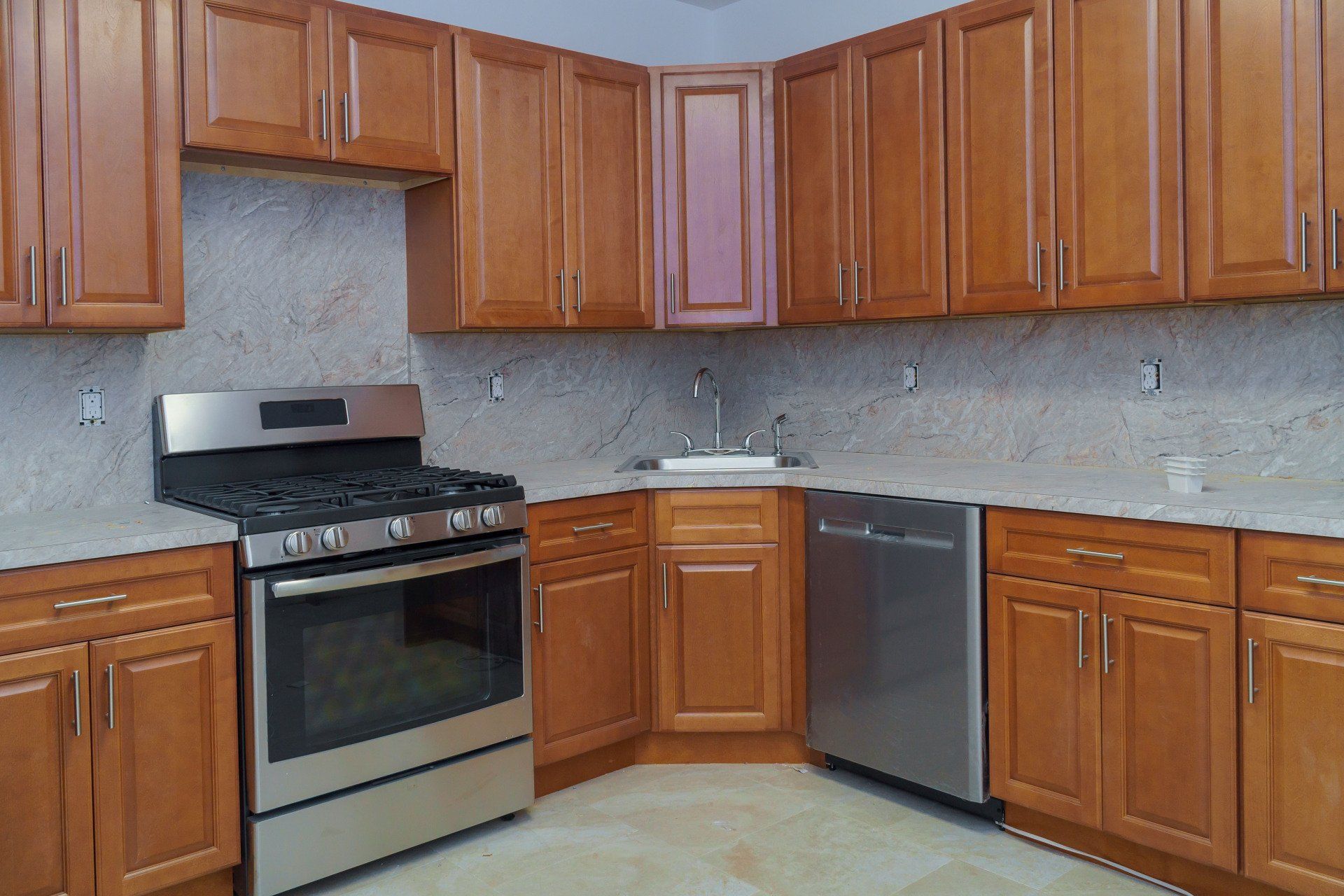
Stock cabinets are pre-manufactured cabinetry that typically come in standard sizes and styles, made to fit the most common kitchen or bathroom layouts. Being mass-produced, these cabinets are readily available at home improvement stores and online, offering an immediate solution for your cabinetry needs. They are designed to cater to a wide range of consumers, ensuring simplicity in design and functionality. Due to their standardized nature, they often require minimal planning, making them suitable for those who need a quick installation.
Identifying Common Materials
The materials used in stock cabinets frequently include particleboard, MDF (medium-density fiberboard), and sometimes solid wood for the visible parts. These materials are favored for their cost-effectiveness and ease of production, allowing manufacturers to offer them at lower prices compared to custom alternatives. Stock cabinet finishes often include laminates, veneers, or basic solid color paints, which can mimic the look of high-end options without the high costs.
Reviewing Advantages and Limitations
One of the primary advantages of stock cabinets is their affordability, making them a popular choice for those with a limited budget. Their production in large quantities reduces the cost per unit, allowing consumers to enjoy cabinetry at a fraction of the price of custom options. However, stock cabinets come with certain limitations. The most significant drawback is the lack of customization, which means you may have to compromise on design or functionality. If your space has unique dimensions, stock cabinets might not provide a perfect fit, potentially leading to wasted space.
Understanding Custom Cabinets
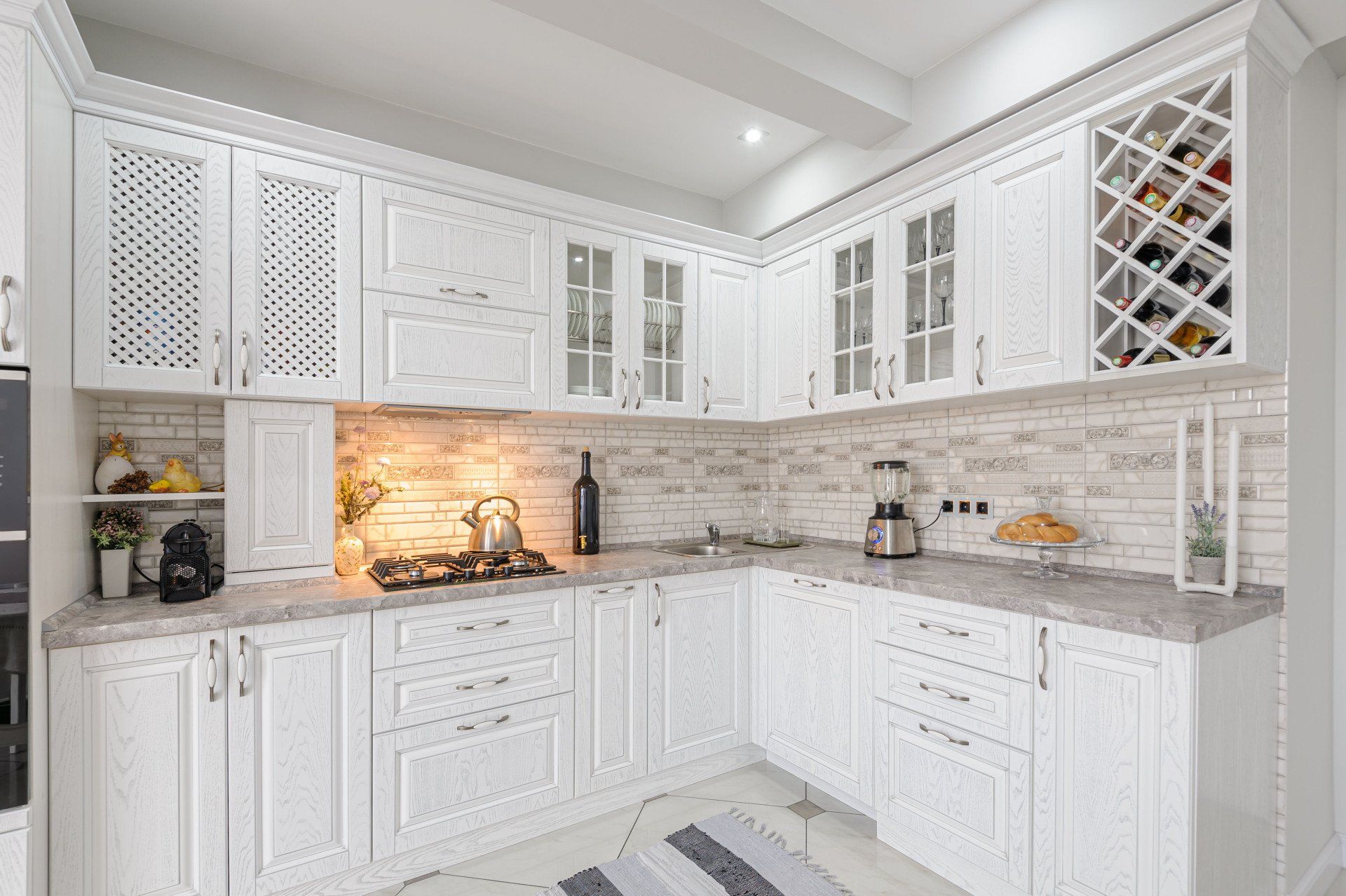
Custom cabinets are tailor-made to the specifications and requirements of the homeowner, offering unparalleled flexibility in design. Unlike stock cabinets, custom cabinetry is crafted to fit the exact dimensions and unique preferences of a given space, ensuring a perfect fit and personalized options. This process typically involves collaborating with a custom cabinet designer to select the materials, finishes, and features that best suit your vision.
Selecting Premium Materials
Custom cabinets leverage a wide spectrum of materials, ranging from solid wood varieties like oak, maple, and cherry to alternative modern materials such as stainless steel and glass. These choices allow for greater customization in terms of aesthetics and practicality, offering options for high-quality finishes and durable constructions. Solid wood is often chosen for its rich appearance and long-lasting properties, giving high-end custom cabinets a luxurious feel and appearance.
Weighing Benefits and Timelines
One of the key advantages of custom cabinets is their ability to meet specific design preferences and provide solutions for unconventional spaces. They offer a level of personalization unmatched by stock options, allowing homeowners to dictate every aspect of the design. According to HomeAdvisor, because of the intensive design and construction phases required, custom cabinetry projects often take two to three times longer to complete. For those who value unique, high-end homes, custom cabinetry serves as a worthy investment that withstands the test of time.
Building the Cabinets
The process of creating custom cabinets is meticulous, involving several key stages to produce tailored pieces. It begins with a detailed consultation where homeowners discuss their layout and preferences with a custom cabinet designer. Once the design is finalized, skilled craftsmen build each aspect of the cabinetry to precise specifications. This handcrafted approach ensures each cabinet not only fits perfectly but also meets the highest standards of craftsmanship.
Comparing Costs
The cost of stock cabinets is generally lower than that of custom cabinets, making them a more viable option for cost-conscious homeowners. Stock cabinets are mass-produced, which lowers the initial cost per unit. In contrast, custom cabinets involve an extensive amount of time from a custom cabinet designer and skilled craftsmen, along with higher-quality materials, resulting in a substantial initial price.
Assessing Long-term Investment Value
When considering long-term investment value, custom cabinets tend to hold a higher resale potential due to their durability and tailored fit. High-quality materials and craftsmanship translate into a longer lifespan, which can decrease the need for replacement or repairs. Custom cabinets also have the potential to increase the overall value of a home, attracting prospective buyers who appreciate bespoke features.
Factoring in Additional Expenses
In addition to initial costs, several other expenses should be taken into account. Stock cabinets might incur extra charges for modifications, such as fillers or trim pieces required for a snug fit. Custom cabinets can also entail design consultation fees and higher installation costs due to the specialized nature of their placement. It's essential to budget for fixtures and hardware adjustments to manage expectations and ensure a hassle-free project outcome.
Quality and Durability
The build quality of stock cabinets can vary greatly due to the range of price points. While some stock options utilize plywood boxes, others rely on lower-quality materials like particleboard. Custom cabinets are renowned for their superior build quality. Craftsmen typically construct these with precision, using high-quality materials such as solid hardwood frames and plywood carcasses.
Considering Hardware and Longevity
The hardware chosen for cabinets significantly affects their usability. High-quality hinges, pulls, and slides, often specified by a custom cabinet designer, ensure smooth operation and contribute to a longer lifespan. Opting for soft-close mechanisms can reduce the impact of daily use on cabinet doors and drawers, enhancing longevity and protecting the cabinet structure from wear.
Designing With Flexibility and Aesthetics
Stock cabinets are available in a diverse array of style options, catering to various aesthetic preferences. From traditional to contemporary looks, they provide a straightforward way to achieve a fresh new look. While the range of finishes is extensive, they remain limited in comparison to the myriad possibilities of custom designs.
Creating Personalized Spaces
Custom cabinets stand out due to their limitless customization possibilities. Clients work intimately with a custom cabinet designer to incorporate unique storage solutions, functional features, and stylistic elements. This degree of flexibility ensures that the final product resonates with the homeowner's individual taste, resulting in a cohesion in design that elevates the entire environment's visual harmony.
Understanding Environmental Impact
The use of sustainable materials has become increasingly important. Stock cabinets sometimes utilize eco-friendly options like recycled content. However, custom cabinets allow homeowners to consciously choose sustainable materials, such as bamboo, reclaimed wood, or low-VOC finishes. This level of selection empowers consumers to minimize their ecological footprint while achieving the desired aesthetic.
Adopting Manufacturing Practices
Eco-friendly manufacturing practices help reduce environmental impact through responsible sourcing and efficient production. Stock cabinet manufacturers may adopt practices that include waste reduction. Custom cabinetry benefits from opportunities to integrate sustainable practices, such as handcrafting processes that reduce waste or using local materials to minimize transportation emissions.
Whether you choose the immediate accessibility of stock cabinets or the tailored excellence of custom cabinetry, the right choice is the one that aligns with your lifestyle. Cabinets are the foundation of your home's most used spaces, providing the organization and style necessary for modern living. By weighing the factors of cost, quality, and design flexibility, you can move forward with your renovation with total confidence.
Ready to transform your home with cabinetry that is perfectly fitted to your life? Our team is here to guide you through every step of the process, from initial sketches to the final installation. Contact Camio Custom Cabinetry today to speak with an expert custom cabinet designer and begin creating the space you have always envisioned.
Share On: