
3 Things to Consider When Designing Your Custom Cabinets
Custom cabinets are a pivotal aspect of any space they inhabit, influencing both the functionality and aesthetic appeal of a room. This article outlines key considerations to ensure your custom cabinets meet your needs and preferences. Whether you're renovating your kitchen, bathroom, or any other room requiring storage, custom cabinets can dramatically enhance the design and utility of your space. They offer opportunities for personalized solutions that cater to the specific needs of your household. By investing time in understanding and planning your cabinet design, you can achieve a perfect balance of form and function.
1. Assessing Your Storage Needs
Understand Your Inventory
Understanding your storage needs begins with a thorough inventory assessment. Take stock of the items you plan to store in your custom cabinets. Consider the volume and types of items, as this will impact the size and design of the cabinets. Custom cabinets can accommodate unique items such as oversized cookware, fine china, or specialized kitchen gadgets. The goal is to design a solution that is tailored to your lifestyle, ensuring everything has its rightful place.
Optimize Space Utilization
Maximizing your space involves strategic planning and design. Consider cabinets that make use of vertical and horizontal spaces, including often neglected high and low areas. Pull-out shelves, deep drawers, and hidden compartments can significantly enhance storage efficiency. Thoughtful design ensures that no space is wasted, and accessibility is not compromised. According to The Spruce, the minimum clearance width between kitchen cabinets should be 40 inches, providing enough space for cabinet, refrigerator, and oven doors to open fully without obstruction.
Future-proof Your Storage
Planning for future needs is crucial when designing custom cabinets. As your lifestyle changes, so too may your storage requirements. Consider potential additions to your living space or changes in your household size. Additionally, choose versatile designs and layouts that can adapt to a variety of functions over time. By predicting future storage needs, you can ensure your cabinets remain functional and relevant for years to come.
Accessibility Factors
Accessibility is a key factor in cabinet design, ensuring ease of use for all family members. Custom solutions can also be tailored for specific accessibility needs, such as lower cabinets for wheelchair access. The goal is to create a seamless and intuitive storage experience.
Specialized Storage Solutions
Specialized storage solutions can be designed for specific items like spices, linens, or cutlery. Consider incorporating spice racks, dividers, or built-in organizers to optimize your storage. These solutions offer not only convenience but also help in maintaining an organized and efficient cooking space. Custom compartments ensure that items are easily accessible and that every inch of space is utilized effectively. The key is to strike a balance between general and specialized storage solutions to cater to all needs.
2. Selecting Cabinet Materials
Wood Varieties
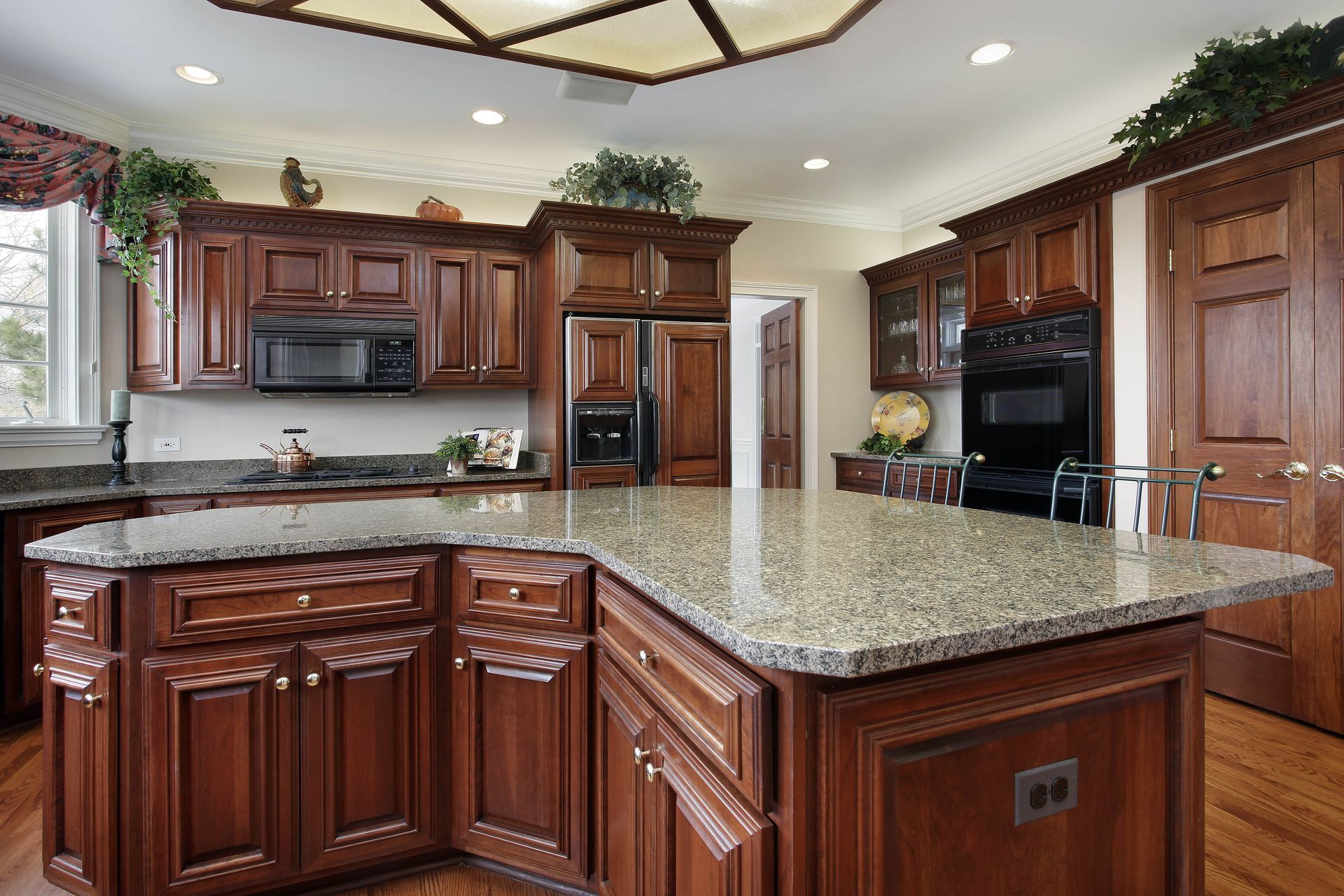
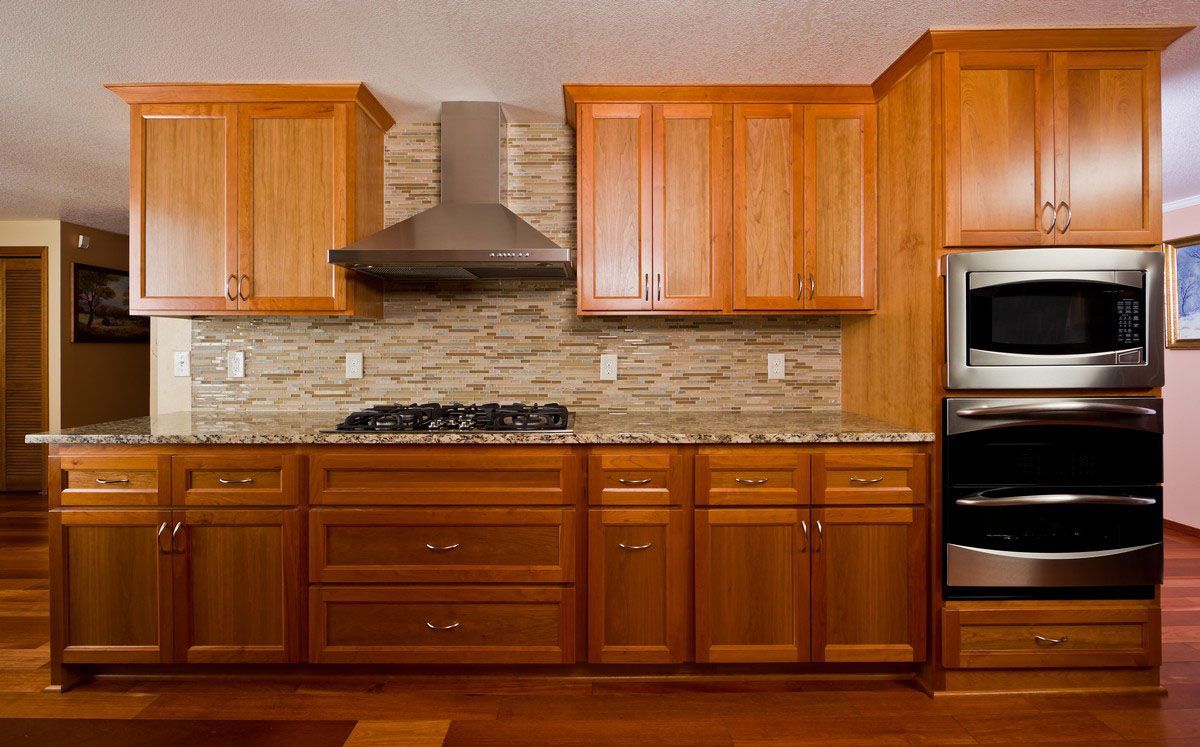
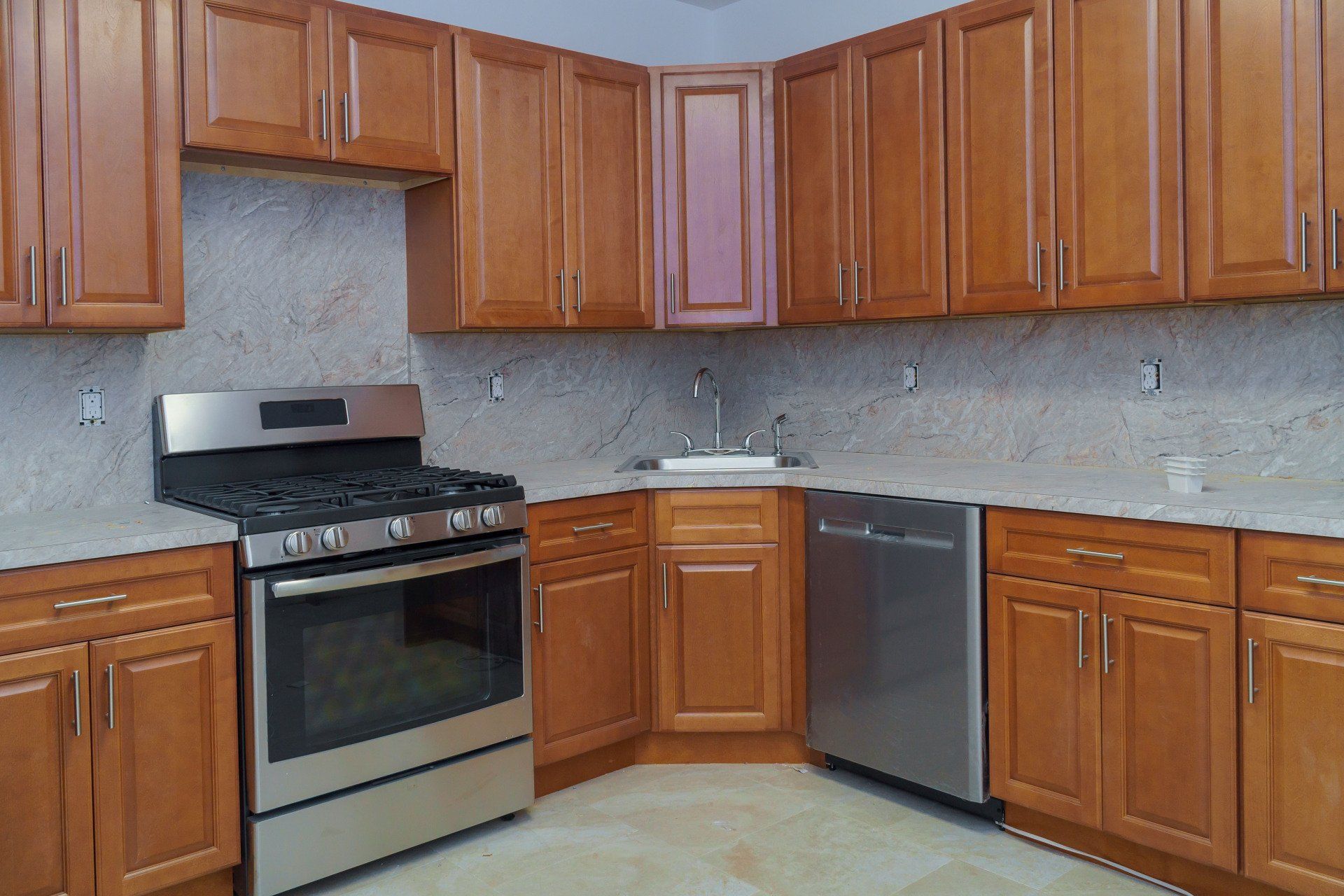
Wood is a popular choice for custom cabinets due to its natural beauty and durability. Various wood types, such as oak, maple, and cherry, offer distinct aesthetic and functional qualities. Oak provides a classic look with excellent strength, while maple offers a smooth finish and subtle grain. Cherry wood is known for its rich color variations and elegance. When selecting wood, consider the overall style of your home and the specific attributes of each wood type to match your design goals.
Alternative Materials
For those seeking a modern or unconventional twist, alternative materials like stainless steel, glass, or acrylic may be appealing. Stainless steel offers a sleek, industrial look and is highly resistant to wear and moisture. Glass-fronted cabinets can showcase beautiful dishware or art pieces, adding a touch of sophistication. Acrylic materials are lightweight and offer a high degree of customization in terms of color and finish. These materials provide diverse design options that can align with unique architectural and stylistic needs.
Environmental Impact
Considering the environmental impact of your cabinet materials is increasingly important for both health and sustainability. Opt for sustainably sourced woods or recycled materials to minimize your ecological footprint. Eco-friendly finishes and low-VOC sealants can improve indoor air quality while maintaining the durability of your cabinets. Researching the lifecycle and sourcing of materials ensures you make informed decisions. Emphasizing eco-friendly practices in your design can lead to a healthier and more sustainable living environment.
Budget Considerations
Balancing quality and cost is essential in selecting cabinet materials. While high-end woods and finishes may be alluring, consider affordable options that do not compromise durability. Engineered woods or mixed materials can provide a cost-effective solution that meets aesthetic desires. It's possible to achieve luxury looks with smart budgeting and by prioritizing essential features. Allocating resources thoughtfully across material choices can result in a high-quality yet economical project.
Maintenance Needs
Selecting materials that align with your desired level of maintenance is crucial. Some woods require regular sealing or conditioning, while metals may need less frequent polishing. Assessing the upkeep involved in each material can influence your overall satisfaction and ease of use. Maintenance-friendly materials can also save time and effort in the long term. Consider your commitment to maintenance when deciding on the materials for your custom cabinets.
3. Cabinet Style and Aesthetic
Traditional vs. Modern Designs
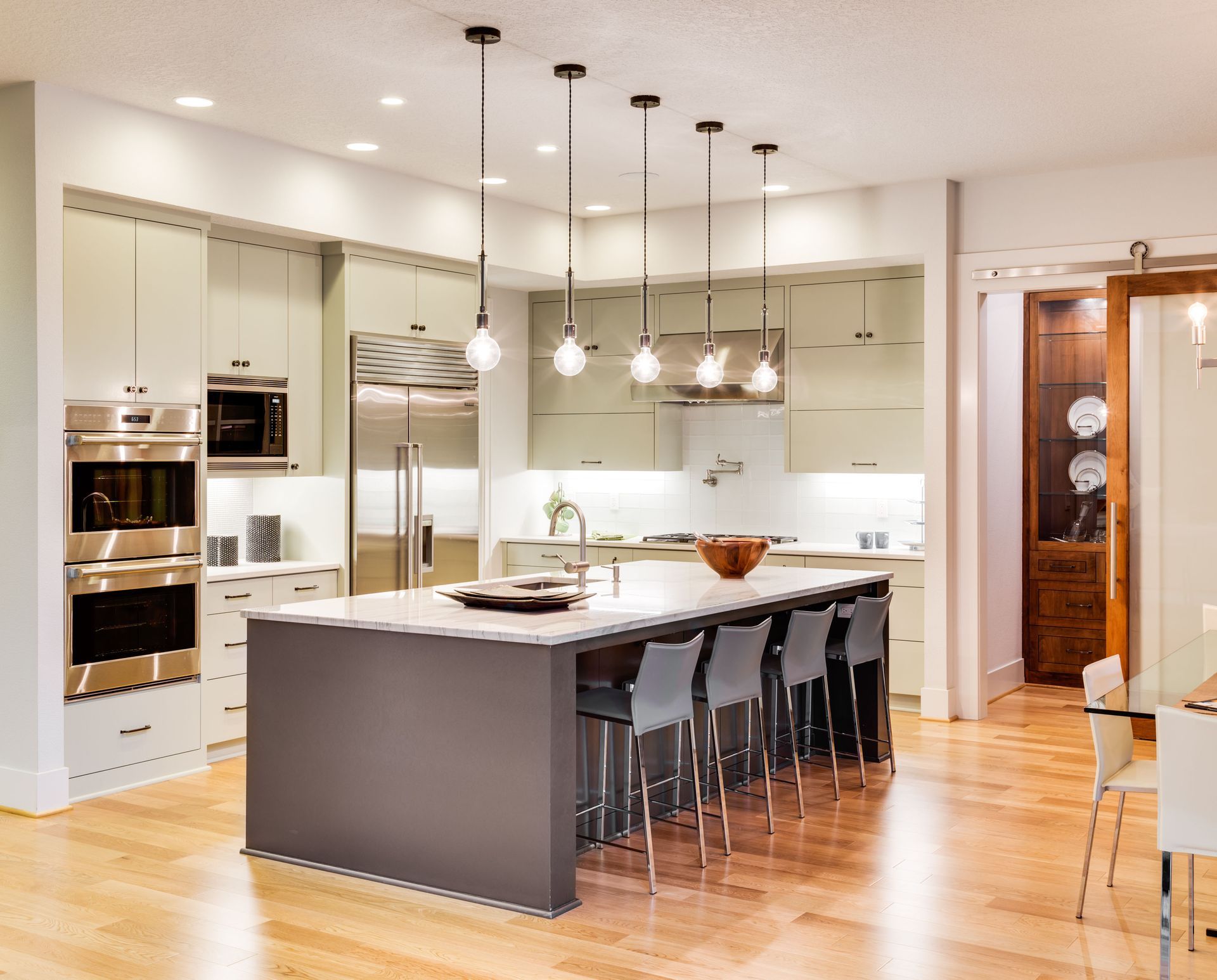
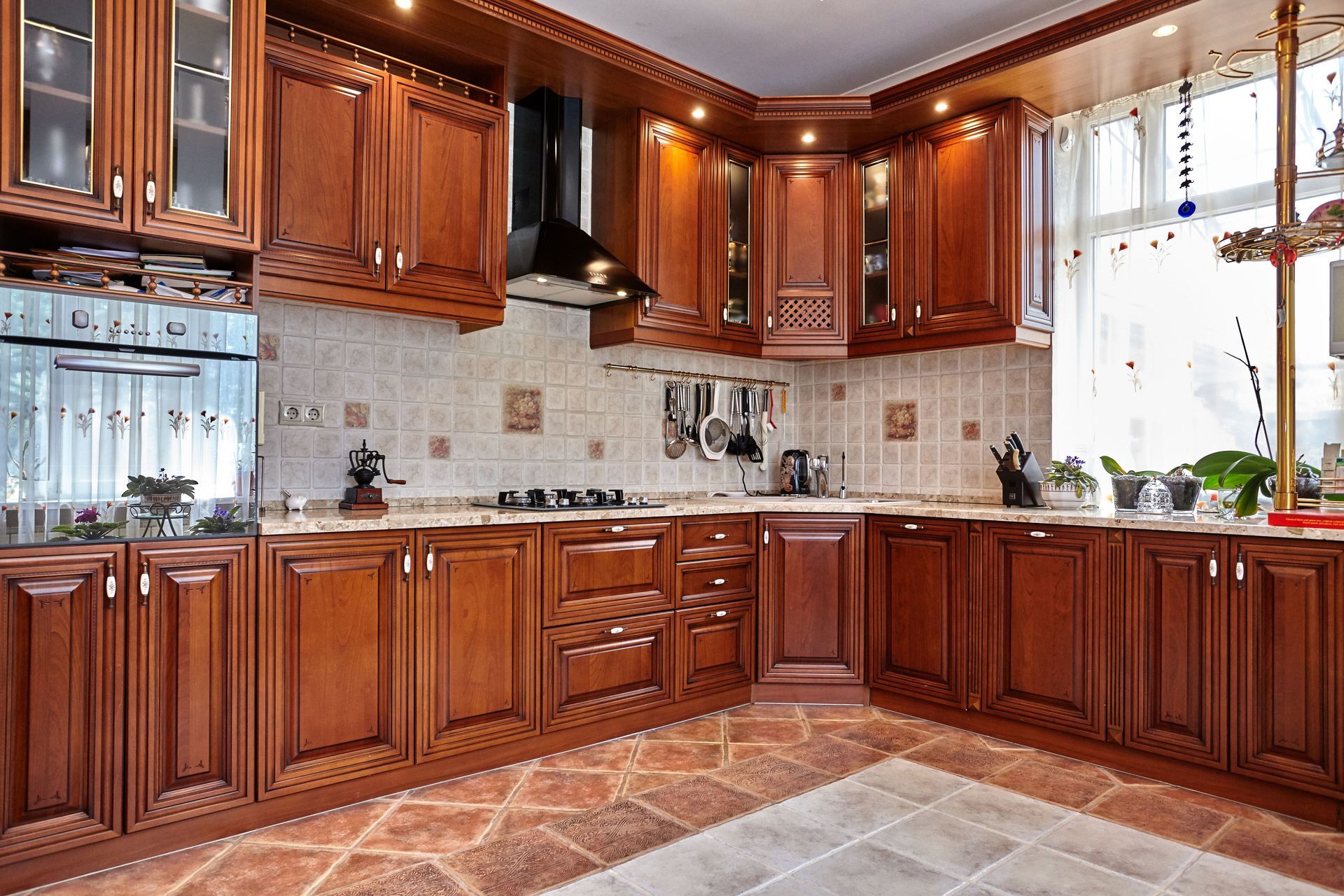
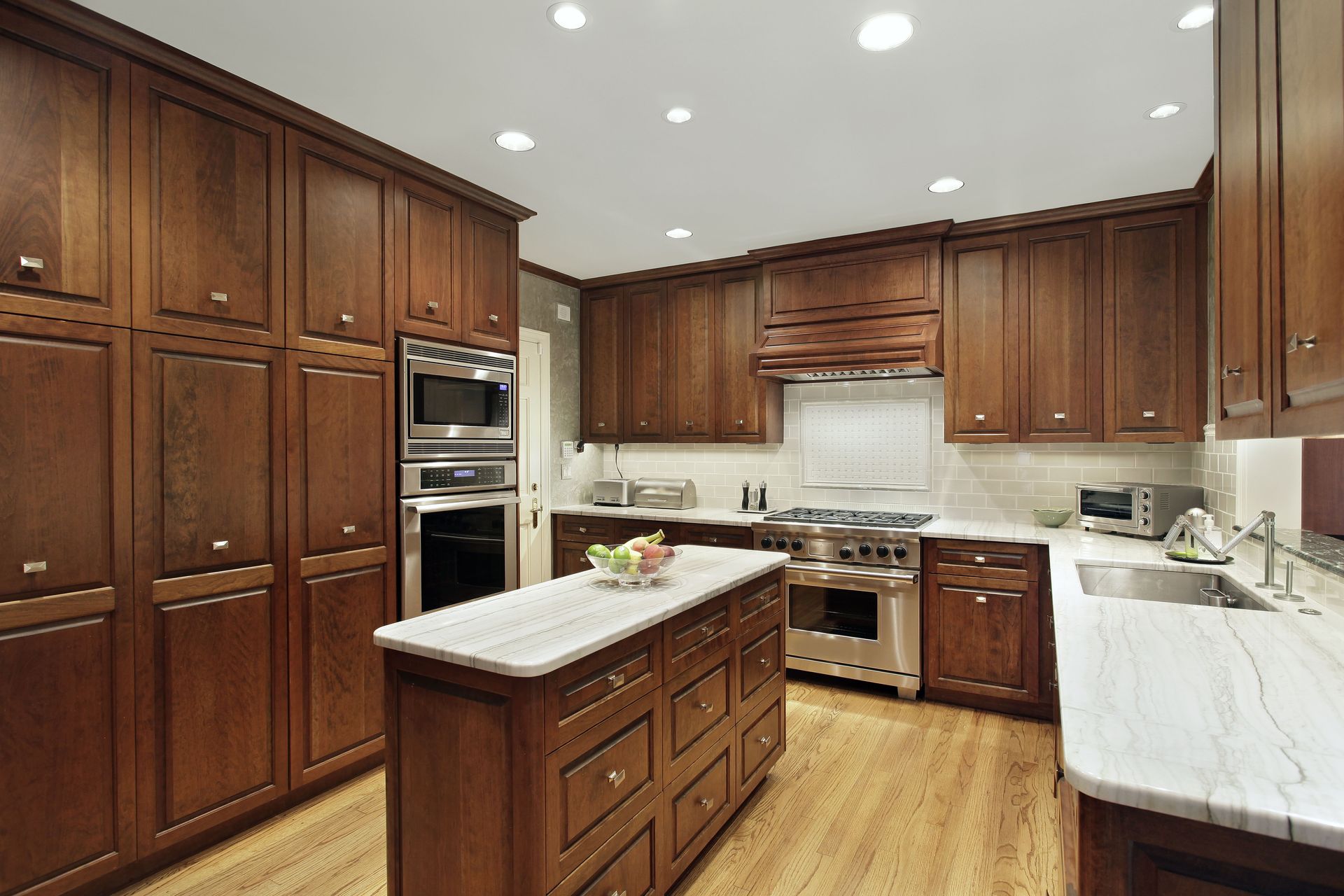
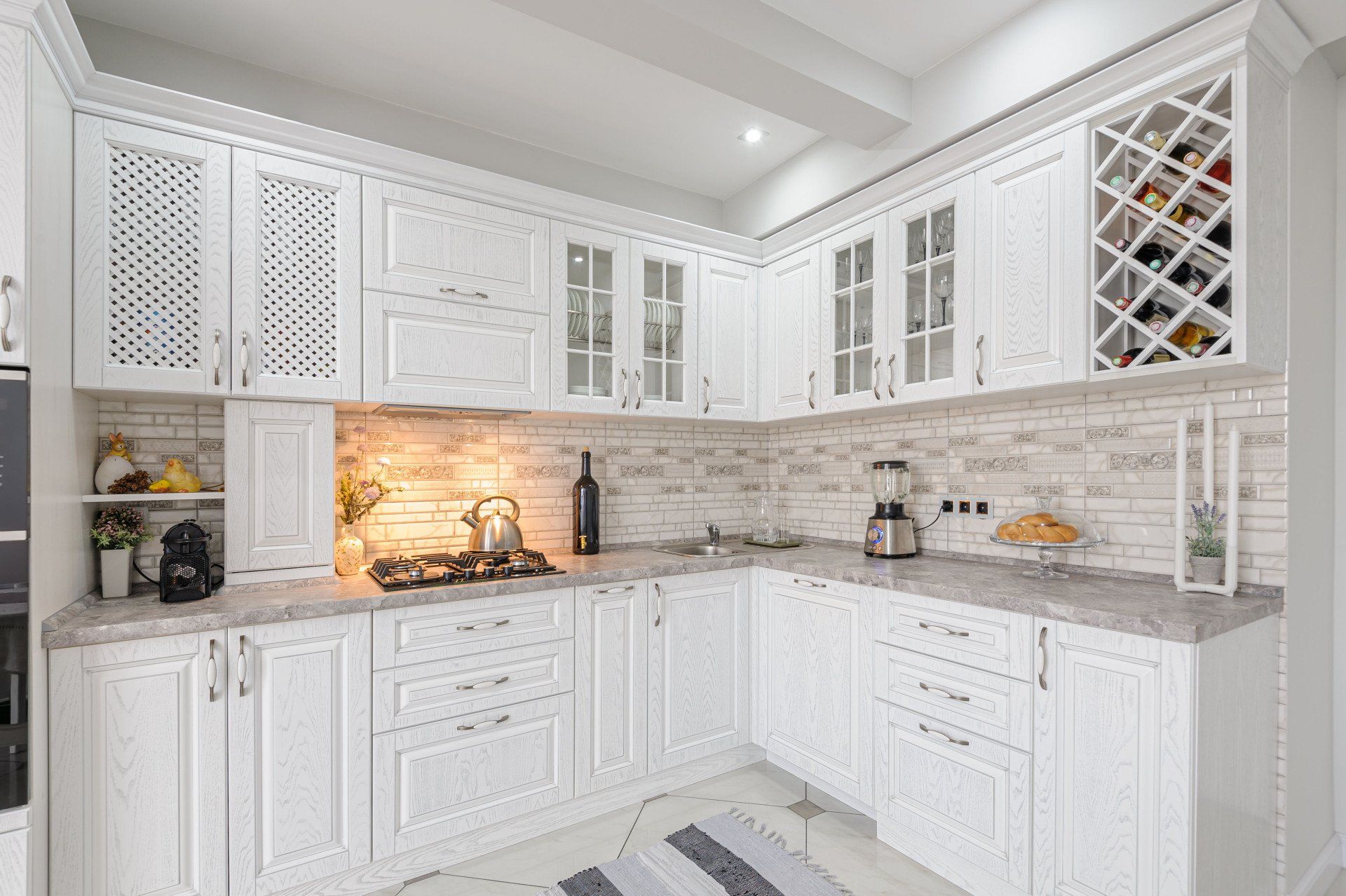
Custom cabinets come in a wide range of styles, from traditional to modern. Traditional cabinets often feature ornate details and warm wood finishes, suitable for classic and timeless interiors. In contrast, modern cabinets are characterized by clean lines, minimalist aesthetics, and bold materials. When selecting a style, consider the overall theme of your space and how the cabinets will integrate with existing design elements. Striking a balance between trendiness and timelessness can ensure your cabinets remain stylish over time.
Color Scheme Coordination
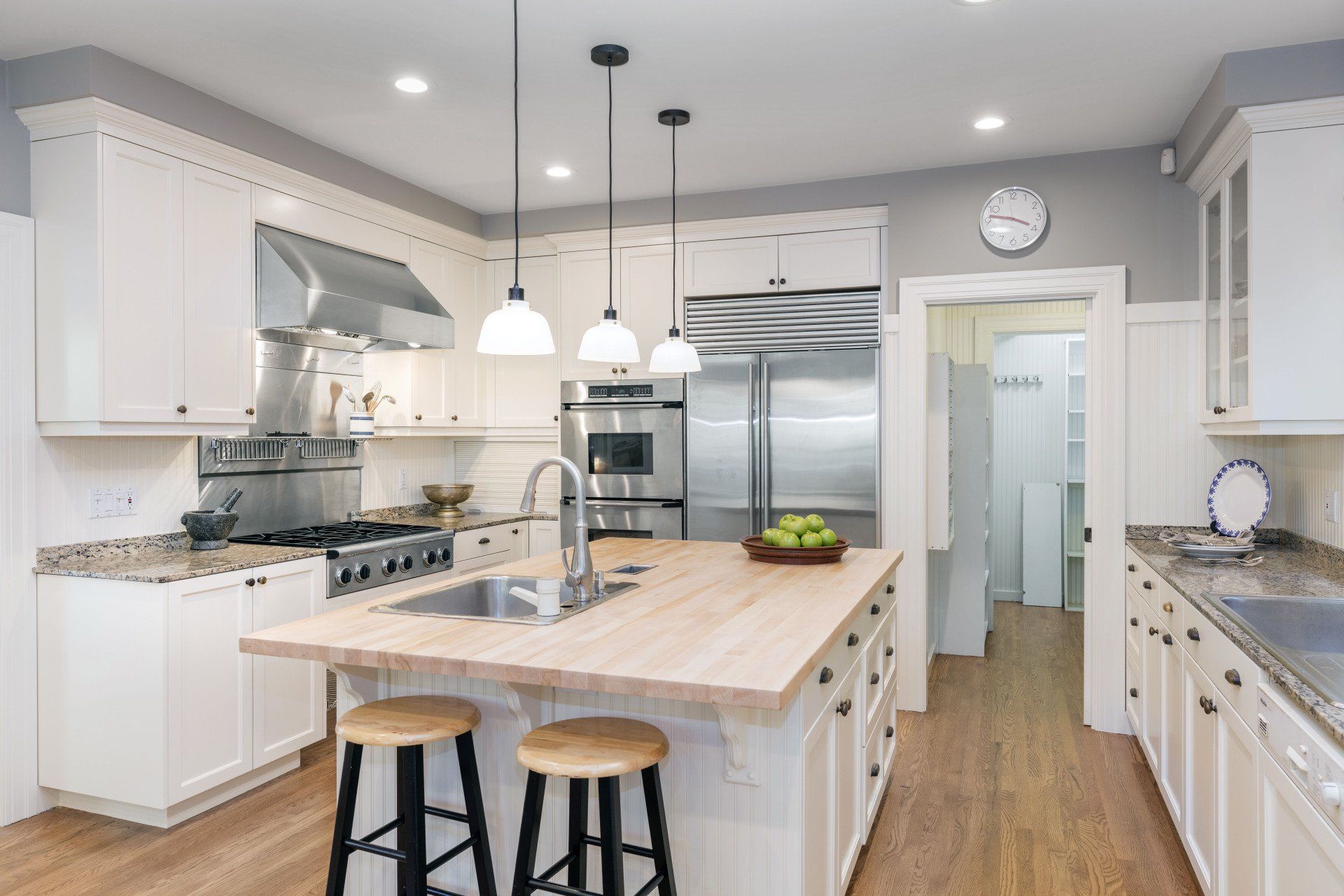
A cohesive color scheme is essential for a harmonized room layout. Custom cabinets can be finished in colors that complement or contrast with walls, countertops, and floors. Neutral tones remain popular for their versatility, but bold colors can make a striking statement. Consider seasonal changes and lighting variations when selecting colors. Ensuring a well-coordinated color scheme contributes to the overall ambiance and aesthetic balance of the space.
Hardware Selection
Cabinet knobs, handles, and pulls add both functionality and style. Choose hardware that complements your cabinet design and enhances the visual appeal. Metals like brass, chrome, and black finishes offer varied aesthetic options. Besides appearance, consider ergonomic factors of hardware for comfortable usage. Well-chosen hardware serves as the finishing touch, elevating the overall look and functionality of the cabinets.
Customization Options
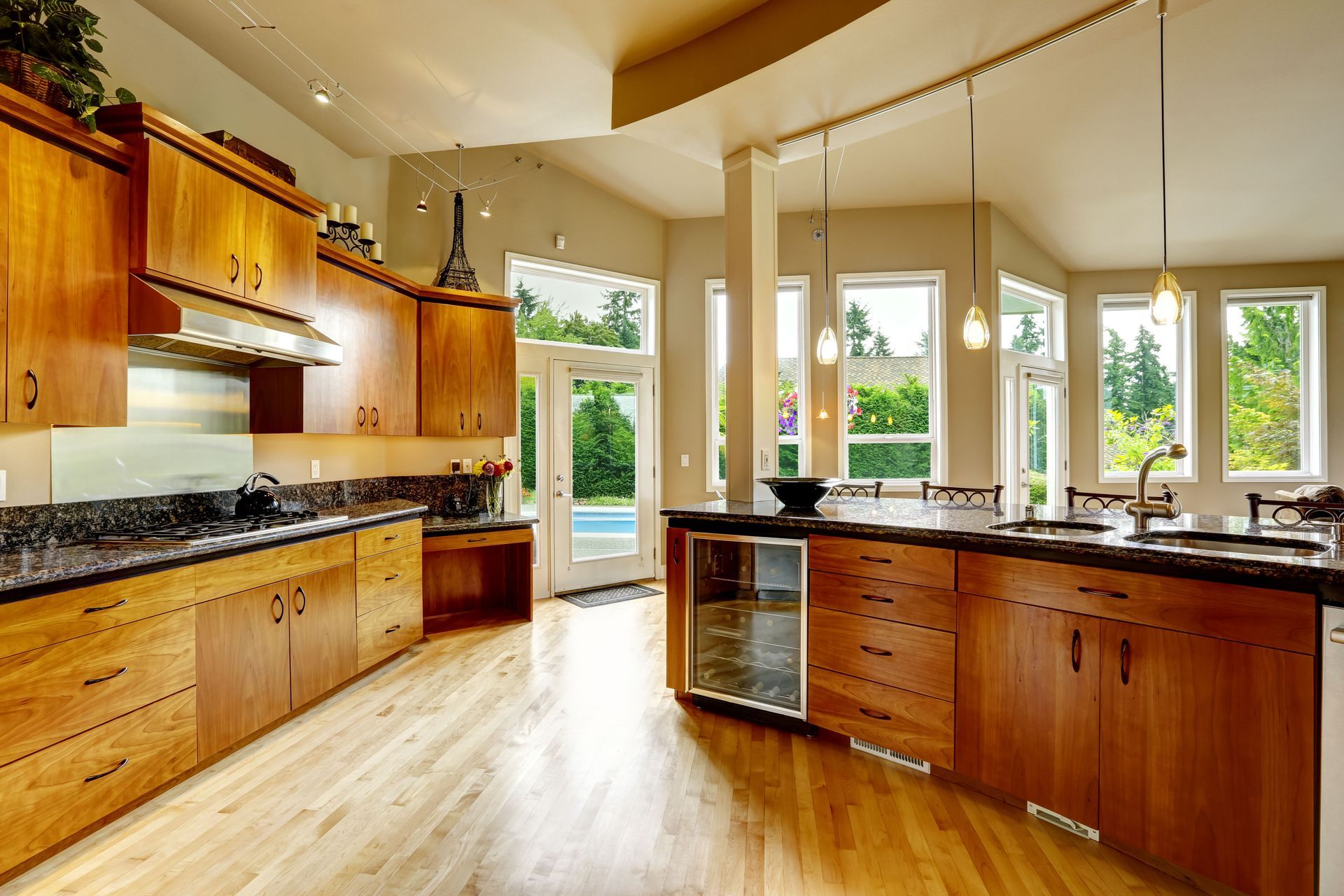
Customization allows for unique design elements such as glass doors, open shelving, or intricate moldings. Such features can enhance both visual interest and functionality. Integrating lighting within cabinets can highlight display items or improve accessibility. Think about how customizations can reflect your personality and cater to specific uses. The limitless possibilities with customization can transform cabinets into standout features in your home.
Designing custom cabinets involves considering a multitude of factors, from material choice to layout planning. By carefully considering these elements, you can create cabinets that not only meet your practical needs but also enhance the beauty and functionality of your space. Thoughtful planning, collaboration with professionals, and informed decision-making ensure that your cabinetry investment stands the test of time. With the right approach, custom cabinets become a key contributor to your home's aesthetic and practical needs. Ultimately, they reflect your personal style, create efficient solutions, and add value to your living environment. Be sure to reach out to Camio Custom Cabinetry today to learn more about our professional custom cabinet designer!
Share On: